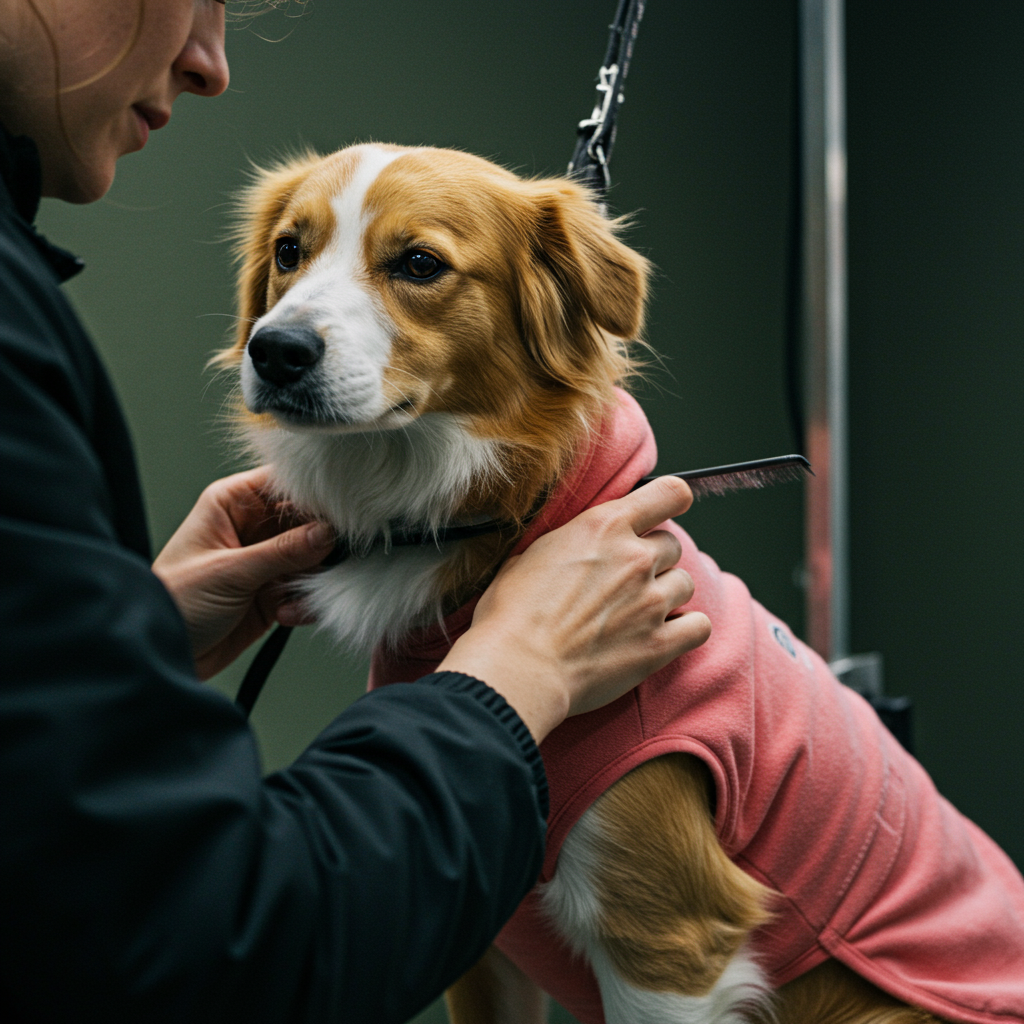
Helping Dogs Stay Calm During Grooming Season
When spring arrives in Pittsburgh, most dog owners notice the same thing almost immediately. The shedding starts. As winter coats loosen and temperatures rise, many dogs go through a seasonal transition that affects more than just their fur. Grooming routines change, brushing becomes more frequent, and some dogs suddenly react differently to handling.
The good news is that grooming and behavior transitions during shedding season are predictable and manageable with the right structure and training. In this post, I want to explain why seasonal coat changes can affect behavior, what signs to watch for, and how obedience training helps dogs stay calm and cooperative during grooming.
As a trainer with Off Leash K9 Training Pittsburgh, I often see grooming struggles that are not really about the brush or the bath. They are about a dog lacking confidence, structure, or clear expectations. When those pieces are in place, grooming becomes much easier for both the dog and the owner.

Why Shedding Season Changes Dog Behavior
Spring shedding is a natural biological process, but it can change how dogs feel physically and emotionally. Loose undercoats, increased brushing, and more frequent baths can create new sensations that some dogs are not used to.
During shedding season, dogs may experience:
-
Increased skin sensitivity
-
More frequent physical handling
-
New grooming tools like undercoat rakes or deshedding brushes
-
Longer grooming sessions than usual
For dogs that already struggle with handling or impulse control, these changes can lead to frustration or avoidance.
Common grooming-related behaviors I see include:
-
Pulling away during brushing
-
Paw sensitivity or resisting nail trims
-
Jumping or pacing during grooming
-
Mouthy behavior when handled
-
Difficulty settling during baths
These reactions are not uncommon. They simply mean the dog needs more structure and confidence around handling.
If you have noticed similar challenges with changes in routine, our article on how to introduce a new dog and avoid the chaos explains how dogs adapt to new experiences when structure is introduced gradually.
How Obedience Training Supports Grooming Success
One of the biggest misconceptions I hear is that grooming cooperation comes naturally. In reality, most dogs need to learn how to remain calm and cooperative during handling.
At Off Leash K9 Training Pittsburgh, we focus on obedience training that teaches dogs how to regulate themselves even during uncomfortable or unfamiliar situations.
Training supports grooming success by building:
Impulse control
Dogs learn to remain still during brushing or nail trims.
Handler trust
Clear communication helps dogs understand what is expected.
Confidence
Training increases dog confidence when new sensations occur.
Structured behavior
Commands like place, sit, and down help dogs remain calm during grooming.
Programs like Basic Obedience and Basic & Advance Obedience help establish the foundation dogs need to stay relaxed during grooming sessions. These programs are not just about commands. They help dogs learn how to respond calmly when routines change.
Preparing Your Dog for Spring Grooming
Grooming cooperation improves dramatically when owners approach it as a structured routine rather than a rushed task.
Here are simple ways to help your dog adjust during shedding season:
-
Introduce grooming tools gradually
Allow your dog to see and sniff brushes before using them. -
Keep sessions short at first
Start with two to three minutes of brushing and slowly increase duration. -
Pair grooming with obedience commands
Ask for sit or place during brushing sessions. -
Reward calm behavior
Reinforce stillness and cooperation rather than reacting to resistance. -
Stay consistent
Regular grooming prevents sensitivity and builds familiarity.
These steps help prevent negative associations and support long term behavior transformation.
For dogs living with multiple pets, grooming time can also become chaotic if structure is missing. Our guide on multi dog success and expert training tips for a happy pack explains how structured leadership improves behavior across many daily routines.
Why Confidence Matters During Handling
Dogs that struggle during grooming are often experiencing uncertainty, not defiance. Confidence plays a major role in how dogs respond to physical handling.
Professional dog training helps dogs learn that:
-
New sensations are safe
-
Calm behavior earns rewards
-
Owners provide clear leadership
-
Handling routines are predictable
According to the American Kennel Club, gradual exposure and positive grooming experiences help dogs become more comfortable with brushing, nail trims, and bathing over time. Their guide on how to groom your dog safely at home highlights why patience and consistency matter.
When grooming is approached with structure, dogs develop better emotional stability and stronger off-leash reliability in other areas of life as well.
When Professional Training Makes Grooming Easier
If grooming sessions regularly turn into stressful battles, training can help reset the experience for both you and your dog.
At Off Leash K9 Training Pittsburgh, programs like Board and Train give dogs the opportunity to build calm habits and confidence through structured routines. Dogs learn how to follow direction, regulate excitement, and remain relaxed during everyday handling.
You can explore the full range of Dog Training Programs here:
Dog Training Programs
These programs help create lasting behavior transformation that improves grooming, vet visits, and everyday routines.
A Calm Grooming Routine Starts with Structure
Spring shedding season is a normal part of life for many dogs, but it does not have to bring frustration or stress. With consistent grooming routines and structured obedience training, dogs can learn to remain calm and cooperative during seasonal coat changes.
If you are in the Pittsburgh area and want help building better habits around grooming, obedience, or off-leash reliability, I encourage you to reach out to Off Leash K9 Training Pittsburgh through our
contact page. We would be happy to help you create a calmer routine for both you and your dog.