
Winter Blues: Simple Ways to Recognize Boredom in Dogs
Winter in Pittsburgh changes more than the weather. It changes routines, daylight, and how often dogs get meaningful outlets. If you have noticed your dog acting “off” this season, there is a good chance boredom is the real issue. Here’s the honest answer right away: seasonal boredom usually shows up as small behavior changes first, and you can prevent it by adding structure, mental work, and consistent obedience training.
As a trainer with Off Leash K9 Training Pittsburgh, I see winter boredom every year. The good news is that it is rarely complicated to fix once you know what to look for and how to respond.
Why Winter Boredom Hits Dogs So Hard
Most dogs do not need nonstop entertainment, but they do need purpose. In winter, outdoor walks get shorter, sniff time gets rushed, and play sessions often happen less. That drop in activity can leave dogs with unused energy and no clear job to do.
Winter boredom is more likely when:
-
Exercise decreases due to cold, ice, or darkness
-
Training routines get inconsistent
-
Dogs spend more time indoors with fewer new experiences
-
Families get busy with holidays, travel, or schedule changes
Boredom is not just about “too much energy.” It can affect dog confidence, trigger anxiety, and lead to attention-seeking habits. This is where obedience training helps. It gives dogs a predictable routine and clear expectations, even when life outside is quiet.
If you want ideas for maintaining progress through the colder months, our post on winter training and keeping momentum pairs well with what I see in lessons this time of year.
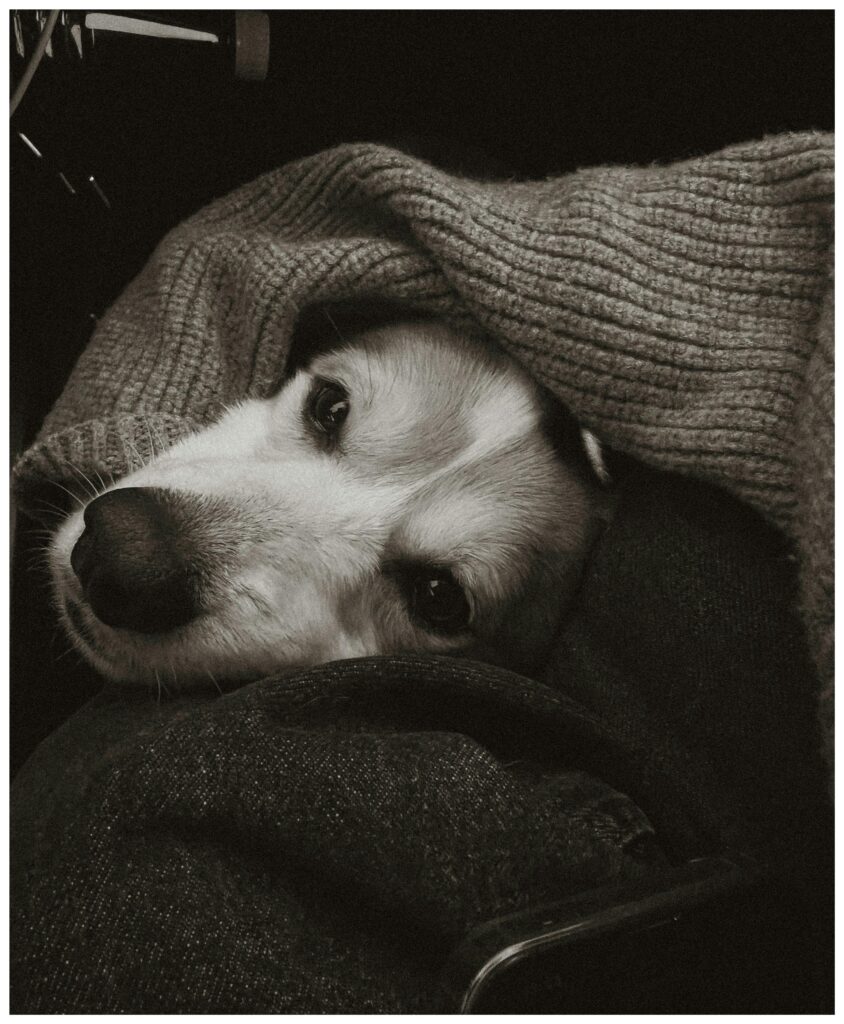
Simple Signs Your Dog Is Bored, Not “Being Difficult”
I always tell owners to watch patterns, not single moments. Most winter boredom looks like repeated behaviors that increase over time.
Here are common signs of boredom I see during private lessons and Board and Train drop-offs:
-
Restlessness: pacing, wandering, or constantly switching resting spots
-
Increased vocalization: barking at minor noises, whining for attention
-
Destructive behavior: chewing, shredding, digging at rugs, counter surfing
-
Demand behaviors: pawing, nudging, bringing toys repeatedly, interrupting conversations
-
Training regression: suddenly “forgetting” commands your dog knows well
-
Overexcitement indoors: zoomies at night, rough play that escalates quickly
None of that means your dog is bad. It usually means your dog is under-stimulated and under-structured.
If you live with more than one dog, boredom can also create tension or competition. This is why I often recommend reading our guide on multi-dog success and a calmer pack.
Why Obedience Training Is the Best Antidote to Winter Boredom
Exercise matters, but mental work changes behavior faster. Structured training provides a job, a routine, and a clear way to earn rewards. It also creates calmer default behavior inside the home.
At Off Leash K9 Training Pittsburgh, we use obedience as a tool for behavior transformation. It is not just “sit and stay.” It is teaching your dog how to regulate their emotions, respond to direction, and make better choices.
Obedience training helps winter boredom by:
-
Building focus through short sessions that challenge the brain
-
Improving impulse control so dogs stop rehearsing unwanted habits
-
Creating structure with commands like place, heel, and recall
-
Supporting off-leash reliability by strengthening engagement and responsiveness
-
Increasing dog confidence through clear, consistent communication
This is also why structured programs like Board and Train can be so effective during winter. Dogs build habits quickly in a consistent environment, then we transfer those skills back into your daily routine at home.
To see which option fits your dog’s needs, explore our Dog Training Programs.
Easy Indoor “Boredom Busters” That Actually Work
I am not a fan of random activity just to burn energy. I prefer enrichment that builds skills and supports calm behavior. Here are simple ways to reduce boredom without turning your house into a constant play zone:
Training-based enrichment
-
5-minute obedience sessions, 2 to 3 times daily
-
Place command practice during meals or TV time
-
Leash walking drills indoors for focus and manners
-
“Find it” games using kibble, then practicing recall afterward
Calm mental stimulation
-
Food puzzles or frozen enrichment, followed by a place command
-
Controlled tug with rules: start, stop, drop it, place
-
Teaching a new skill weekly (touch, sit at doors, duration downs)
If you want a high-authority resource on indoor activities, the American Kennel Club has a solid guide on how to keep your dog entertained indoors.
When Boredom Becomes a Behavior Problem
A little boredom can turn into bigger issues if your dog rehearses the same unwanted behaviors daily. If you are seeing escalation, it is time to add structure fast.
Consider professional training help if:
-
Destructive behavior is increasing weekly
-
Barking or reactivity is getting worse indoors
-
Your dog cannot settle even after exercise
-
Your dog is ignoring known commands
-
You feel like you are constantly managing chaos
That is exactly where Off Leash K9 Training Pittsburgh steps in. Whether you need private lessons for consistency or a Board and Train reset, we can build a plan around your dog’s lifestyle and goals.
A Calmer Winter Starts With Structure
Winter does not have to mean cabin fever for your dog. When boredom is recognized early and met with obedience training, structure, and purposeful enrichment, dogs become calmer, more confident, and easier to live with.
If you are in the Pittsburgh area and you want help turning winter boredom into real progress, reach out to Off Leash K9 Training Pittsburgh through our contact page. We will help you build reliable obedience and a calmer day-to-day routine, even when it is cold outside.