
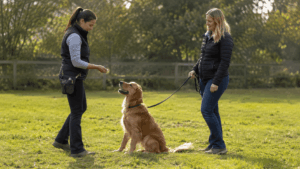
Dog training costs vary widely depending on the type of training, the trainer’s experience, and the format you choose. Whether you’re bringing home a new puppy or working through behavioral challenges with an adult dog, understanding what influences the cost of dog training helps you make a confident, informed decision.
This guide covers Pittsburgh-area pricing trends, national averages, and the key factors that determine your total training cost. It’s written for dog owners actively researching professional dog training and weighing options across formats, timelines, and budgets.
By reading this guide, you’ll walk away with:
- Clear pricing breakdowns for private lessons, group classes, and board and train programs
- An understanding of what factors raise or lower your dog training cost
- Practical tools for comparing training formats and their value
- Budgeting strategies and financing options to make quality training accessible
- Knowledge of hidden costs and how to avoid them
Understanding Dog Training Cost Fundamentals
Professional training is more than teaching basic commands like “sit” and “stay” that genuinely enhance dog safety in everyday situations. Dog training costs vary based on the format, trainer’s experience, and location, but they all reflect the expertise, time, and resources required to produce reliable, long-term behavioral results. Training fosters a strong bond between you and your dog, and well-trained dogs are happier and more confident in the world around them.
Base Pricing Structure
Dog training services are priced in two primary models: session-based and package-based.
Session-based pricing charges per individual lesson. Private dog training sessions vary widely depending on the trainer and location. Group classes typically cost less per session. This model gives flexibility but often results in higher total costs if multiple sessions are needed.
Package pricing bundles multiple sessions at a discounted rate. For example, a multi-session adult training package might reduce the per-session cost, saving money over the course of a full training program. Training packages are designed to ensure continuity each session builds on the last, which produces stronger outcomes than sporadic, disconnected lessons.
The pricing model a dog trainer uses is directly connected to their training methodology. Programs that guarantee measurable outcomes like off leash walking, distance obedience, and distraction-proofing typically use package structures because reliable results require sustained, progressive work.
Investment vs Expense Mindset
Thinking of dog training investing as a one-time expense misses the bigger picture. Training is an investment in your dog’s lifetime behavior, safety, and your own quality of life.
The costs involved with an untrained dog add up fast: chewed furniture, scratched doors, liability exposure from lunging or biting incidents, stress-related veterinary bills, and even higher homeowner’s insurance premiums. Training helps address undesirable dog behaviors effectively, and the return on a well-structured program compounds over years of peaceful coexistence. Mental stimulation from training keeps dogs engaged and reduces destructive tendencies born from boredom or anxiety.
Understanding this investment framework makes it easier to evaluate the different training format options below and to see why some programs cost more but deliver substantially greater long-term value.

Training Format Options and Associated Costs
With the investment mindset established, the next step is understanding how the three main delivery formats private lessons, group classes, and board-and-train intensives compare in both price and results. Dog training formats include group classes, private sessions, and board-and-train programs, and each serves different needs and budgets.
Private Lesson Pricing
Private sessions offer one-on-one attention between a professional dog trainer and your dog, making them ideal for addressing specific challenges like leash reactivity, behavioral training needs, or building a you-focused heel in distracting environments.
Private sessions vary by location and trainer experience, with package deals providing meaningful savings by reducing per-session costs while ensuring consistent progress. Private in-home training sessions often include a travel fee and higher rates, so confirm what’s included when comparing providers.
The value proposition of private dog training is personalized attention: the trainer adapts every session to your individual dog’s temperament, your goals, and your home environment. For dogs displaying aggression, severe anxiety, or complex behavioral patterns, private training is often the most efficient path. Specialized training for anxiety or aggression requires expert-level protocols and customized approaches.
Group Class Programs
Group classes improve dogs’ socialization skills and provide structured exposure to other dogs in a controlled setting. They’re best suited for puppy training and socialization, basic obedience, and proper socialization foundations.
Group classes typically offer the most affordable format per session—ideal for dog owners focused on foundational skills like basic commands, greeting manners, and loose leash walking.
The trade-off is reduced personalization. In a group setting, the trainer divides attention across multiple dogs, which limits the ability to address individual behavioral challenges. Group sessions work best when your dog doesn’t display reactivity around other dogs and you’re focused on building a general obedience foundation rather than tackling specific behavior modification needs.
Board and Train Intensives
Board and train programs are the most immersive training format available. Your dog stays with professional trainers for daily training sessions over multiple weeks, receiving intensive, structured work that covers everything from basic obedience to advanced training like off-leash walking and distance obedience in multiple environments.
Board-and-train programs provide accelerated results, the convenience of full-time professional attention, and the depth of follow-up support built into the program. What separates quality board-and-train from budget alternatives is the inclusion of owner education sessions and lifetime support guarantees. Without structured go-home training and obedience lifetime refresher sessions, dogs often regress once they return to their home environment. Programs that include obedience lifetime refresher support protect your investment by ensuring lasting results.
Factors That Determine Your Training Investment
Now that you understand the pricing landscape across training formats, it’s important to recognize why costs vary so significantly—even within the same format. Two dogs entering the same type of program can face different pricing based on several critical variables.
Dog-Specific Factors Affecting Price
Your dog’s age, breed, and behavioral history are the most influential variables in determining training approach and cost.
Age considerations: A dog’s age directly impacts curriculum design and program length. Puppy consultation and early training programs focus on socialization, house training, and foundational commands. Adult dog training typically requires more sessions; behavioral training often requires multiple sessions for adult dogs with ingrained habits or previous training gaps. Puppy classes build behavior from scratch, while adult dog programs must often undo established patterns before building new ones.
Behavioral complexity: Basic obedience training costs less than specialized behavioral modification. A standard obedience training package addresses sit, stay, released loose leash walking, and jumping meal manners. But when a dog displays aggression, severe reactivity, or separation anxiety, the program shifts to specialized training requiring expert-level protocols. Aggression training reflects the additional expertise, time, and risk management involved. Specialized training may be required for issues such as aggression or severe anxiety, and these programs can significantly raise pricing.
Breed and size characteristics: A dog’s breed and temperament influence training duration and training methods. High-energy breeds or large, strong dogs often need longer sessions to build reliable impulse control. Rescue dogs frequently require additional trust-building work before formal training techniques can take hold effectively.
Previous training and owner consistency: Dogs with zero training baseline require more foundational work. Dogs previously trained might only need polish or refresher sessions. Your own consistency level matters too training is a partnership, and the more actively you participate, the faster and more durable the results.
Geographic and Service Variables
| Cost Factor | Lower Range | Higher Range |
| Location Type | Rural/Suburban Areas | Major Metropolitan Areas (30–50% higher) |
| Trainer Experience | Newer Certified Trainers | Master-Level with Specialized Expertise (50–100% more) |
| Training Guarantees | Basic Success Metrics | Lifetime Support & Refreshers |
| Training Location | Facility-Based Sessions | In-Home Private Training with Travel |
Urban areas charge 30–50% more than rural regions for comparable dog training services. Within Pittsburgh, neighborhoods with higher cost-of-living see slightly elevated rates due to travel time and overhead. Certified trainers generally charge higher rates due to their expertise; trainers holding CPDT-KA credentials, CDBC or other IAABC credentials command premium pricing, and trainer experience can increase costs by 50–100% compared to newer professionals.
Programs offering lifetime support, structured follow-ups, and guarantees around off-leash reliability and distraction-proofing command higher prices because these commitments represent ongoing trainer investment in your dog’s success. More experienced trainers with specialized expertise in service dog training, therapy dog preparation, or complex behavior modification deliver measurably better outcomes, connecting specialized training costs to long-term behavioral results that justify the premium.

Common Cost Concerns and Solutions
Understanding the numbers is one thing—reconciling them with your budget and expectations is another. Here are the most common hesitations dog owners face and practical solutions for each.
Budget Constraints vs Training Needs
Quality professional training shouldn’t be out of reach because of upfront costs. Payment plan options may be available depending on the program, making it possible to spread the investment over time. Starting with a more focused package like a basic obedience package of a few private sessions, can address immediate needs while keeping initial costs manageable. You can always build toward advanced training, therapy dog work, or agility training later.
Questioning Training Value ROI
Calculate what an untrained dog actually costs: property damage from chewing and scratching runs hundreds to thousands of dollars annually. Liability from a dog that lunges, bites, or escapes can result in lawsuits, insurance rate increases, or worse. Stress-related health issues, both yours and your dog’s, carry their own price tag. A dog’s behavior affects every aspect of daily life, and a well-trained dog eliminates these recurring costs. Commands like “sit” and “stay” enhance dog safety in traffic, at doorways, and around children, preventing incidents that could cost far more than any training program.
Comparing DIY vs Professional Training
Self-training works for some owners with prior experience and dogs with mild temperaments. But realistically, most dog owners attempting to teach advanced skills like distance obedience, reliable recall, or dog commands under heavy distraction hit a ceiling quickly. DIY approaches also lack the structured progression, accountability, and expertise that professional trainers bring. When a dog is just a stimulus away from ignoring everything you’ve taught, professional intervention provides better long-term value than months of frustrating self-guided attempts. Behavioral training sessions often start at a modest cost compared to the expense and stress of an unresolved behavioral issue escalating over time.
The most effective approach for many families combines professional training foundations with ongoing owner practice, leveraging expert training techniques and training materials while building your own handling skills for daily maintenance. The American Veterinary Society of Animal Behavior’s guidance on choosing a trainer can also help owners evaluate training professionals and methods. Check our FAQ for answers to common questions about what to expect from the training process.
Conclusion and Next Steps
Dog training costs in 2026 reflect a genuine investment in your dog’s well being, your family’s safety, and years of reliable, enjoyable companionship. Whether you choose private obedience lessons for targeted work, group classes for socialization and basic commands, or a comprehensive board and train program for accelerated transformation, the right program pays for itself many times over through a dog’s obedience, confidence, and safety.
- Schedule a free consultation call to discuss your dog’s specific needs, behavioral history, and training goals
- Determine your timeline—whether you need rapid results through board and train or prefer a progressive private lesson approach
- Review training package options that align with your budget, including financing availability
Beyond initial training, consider ongoing maintenance training to keep skills sharp, advanced skill development like off leash walking in complex environments, and specialized certifications like therapy dog preparation and therapy dog testing and certification for dogs suited to that rewarding work.
Frequently Asked Questions
What does a typical dog training session involve?
Private sessions focus on personalized attention to address specific challenges like leash reactivity or behavioral issues. Group sessions emphasize socialization and basic obedience skills in a controlled environment.
What do online dog training packages usually include?
Online packages often consist of multiple training sessions, instructional materials, and sometimes video demonstrations. Some may also provide follow-up support or coaching calls to reinforce learning.
Are group training classes suitable for all dogs?
Group classes work well for dogs that need socialization and foundational obedience. Dogs with severe behavioral problems or aggression typically benefit more from private or specialized training.
What is involved in immersive board-and-train dog training?
Board-and-train programs involve your dog staying with professional trainers for an intensive period, receiving daily structured training in various environments, including greeting manners and obedience commands.
How do advanced obedience lessons differ from basic training?
Advanced obedience lessons build on basic commands by teaching complex skills like distance obedience, off-leash reliability, and distraction-proofing across different settings.
Why is training in multiple environments beneficial for my dog?
Training in multiple environments helps dogs generalize commands and respond reliably despite distractions, which is crucial for real-world obedience and safety.