
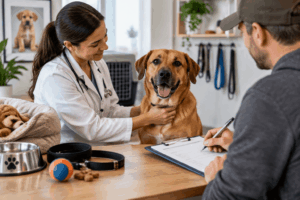
Sending your dog off to a board and train program is a big step, and it’s normal to have questions. Knowing what to expect before your dog starts a board and train program can make the process feel far less overwhelming for both of you. A little preparation goes a long way toward a smoother drop-off, a more productive stay, and an easier adjustment once your dog is back home.
This guide walks through what dog training camp preparation actually involves, from the weeks before drop-off to the first days back home.
What Is a Board-and-Train Program?
A board-and-train program is a structured training option where your dog stays at a training facility for a set period, usually a couple of weeks, and receives daily, hands-on instruction from a professional trainer. Unlike private lessons or group classes, your dog is immersed in a consistent training environment without the distractions of home.
This approach tends to work well for dogs that need focused repetition, a consistent routine, or help with a specific behavior challenge. It also benefits owners who want a head start on obedience training before continuing the work at home themselves.
What to Know Before Starting a Board and Train Program
Before you commit to a program, it helps to have a clear picture of a few basics.
Training Is a Partnership
A dog can learn new skills during a board and train program, but those skills are reinforced when owners continue practicing at home. Most programs include some form of handoff session or debrief where trainers show you how to use the commands and structure your dog has learned.
Every Dog Adjusts Differently
Some dogs settle into a new routine within a day or two. Others take longer, especially if they haven’t spent much time away from home before. This is normal and not a sign that training isn’t working.
Communication Matters
Before your dog starts, be ready to share details about their personality, habits, and any behavior concerns. The more a trainer knows going in, the more the program can be tailored to your dog’s needs.
How to Prepare Your Dog for Training
Preparing a dog for training starts well before drop-off day. A few simple steps at home can help your dog adjust faster once their training begins.
Build a Predictable Routine
Dogs do better with structure. If your dog’s feeding, walking, and sleeping schedule is inconsistent, start tightening it up a week or two before their stay. A dog who is used to predictable routines will settle into a new one more easily.
Get Your Dog Comfortable With a Crate
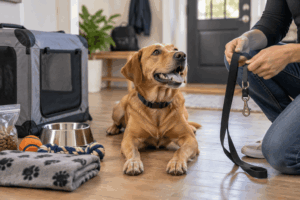
Crate time is common in many board and train environments, whether for rest, meals, or overnight. If your dog isn’t already crate trained, begin short, positive crate sessions at home. Pair the crate with something your dog enjoys, like a favorite chew, so it feels like a calm space rather than a punishment.
Practice Short Periods Apart
If your dog isn’t used to being away from you, practice short separations in the days leading up to drop-off. Leave for brief errands, then gradually extend the time. This won’t fully replicate a training stay, but it can help your dog become more comfortable with time apart.
Update Vaccination and Health Records
Most facilities require proof of current vaccinations, and some may ask for a recent vet exam. Check with the program ahead of time so you’re not scrambling for paperwork the week of drop-off.
This is also a good time to address any grooming needs, like nail trims or a bath, so your dog arrives clean and comfortable.
What to Bring and What to Expect During the Process
Packing thoughtfully makes the transition easier on your dog and simpler for the trainers caring for them.
Packing for Dog Training Camp
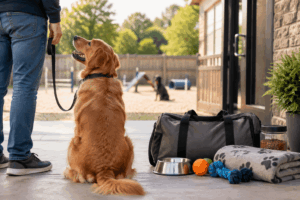
A few essentials tend to make the biggest difference:
- Enough of your dog’s regular food for the full stay to avoid a stomach upset from a sudden diet change
- Any medications, clearly labeled with dosing instructions
- A leash and collar or harness with current ID tags
- Vaccination records, if not already submitted
- One comfort item, such as a worn t-shirt or small blanket that smells like home
It’s usually best to leave extra toys, bedding, and bowls at home unless the facility specifically asks for them. Fewer items mean less to keep track of and fewer things your dog can become possessive over in a new environment.
What a Typical Day May Look Like
While every program is structured differently, most days include a mix of training sessions, rest, and supervised activity. Training is often broken into shorter sessions throughout the day rather than one long block, which helps dogs retain what they’re learning without becoming overwhelmed.
Ask the program directly what a typical day looks like so you know what to expect and can help your dog transition into their new routine.
Health, Behavior, and Training History Considerations
Before your dog starts, take time to think through their full history, not just the behaviors you want to address.
Share Important Information With Your Trainer
Mention any past injuries, allergies, or sensitivities, along with how your dog tends to react to new people, other dogs, and unfamiliar environments.
If your dog has any history of resource guarding, reactivity, or anxiety, be upfront about it. Trainers can plan around known triggers far more effectively when they have accurate information from the start.
Discuss Medications and Special Needs
If your dog is currently on medication for anxiety or another condition, confirm how that will be managed during their stay. Make sure instructions are written down and easy to follow.
Preparing for the Transition Home
The work doesn’t end when your dog comes home. In many ways, this is where consistency matters most.
Keep the Structure Going
Your dog has likely gotten used to a predictable routine during their stay. Try to keep feeding times, walk schedules, and house rules similar to what they experienced in training.
Sudden changes can make it harder for new habits to stick.
Stay Involved in the Training Process
Ask questions during any handoff session and take notes on the commands, cues, or tools your dog responded to.
Practicing these consistently at home, even for a few minutes a day, helps reinforce what your dog learned and supports better behavior long after the program ends.
Give Your Dog Time to Adjust
It’s normal for a dog to need a short adjustment period once they’re back in a familiar environment with old habits and routines nearby.
Patience and consistency from everyone in the household make a difference during this stage.
Every dog’s board and train journey looks a little different, but preparation before training and consistency afterward help support long-term progress.
If you’re considering whether a program is the right fit, speaking with a professional trainer can help you understand the options available for your dog’s needs and goals.
Frequently Asked Questions
How Long Does a Typical Board and Train Program Last?
Most programs run anywhere from a couple of weeks to a month, though the exact length depends on the dog and the goals of the program. Your trainer can provide a clearer timeframe once they understand your dog’s needs.
Will My Dog Forget Me After Being Away for Training?
No, dogs don’t forget their owners during a training stay. The bond between you and your dog remains intact, and many owners find their dog is just as affectionate, if not more responsive, once they’re home.
Can I Visit or Call to Check on My Dog During the Program?
This depends on the individual facility’s policies. Some offer regular updates or photos, while others limit contact to help dogs settle into their new environment. Ask about communication policies before your dog’s stay begins.
What If My Dog Has Never Been Away From Home Before?
This is common, and trainers are used to helping dogs adjust to new environments. Preparing your dog ahead of time with short practice separations and crate familiarity can help ease the transition.
Do I Need to Continue Training Once My Dog Comes Home?
Yes, ongoing reinforcement at home is an important part of the process. Practicing commands and maintaining consistent routines helps your dog continue using the skills learned during their stay.