

Introduction
Senior dog behavior changes affect most aging dogs and range from mild shifts in energy to disorientation, house soiling, and increased anxiety. Dogs over 7 years old are considered seniors, though the threshold varies by breed size: small breeds enter their senior years around 11–12 years, medium breeds at roughly 10, large breeds near 8, and giant breeds as early as 7. Recognizing which behavioral changes fall within normal aging and which signal a medical or cognitive problem determines how effectively pet owners can respond.
This article covers the spectrum of behavior changes in senior dogs, from expected slowdowns to canine cognitive dysfunction syndrome, a condition similar to dementia in humans. It is written for dog owners and pet parents whose canine companions are entering or well into old age and who want to separate routine aging from problems that require veterinary or training intervention.
Senior dog behavior changes include cognitive decline, increased anxiety, altered sleep patterns, house soiling, and reduced social interaction. Most of these are manageable through a combination of veterinary care, environmental modifications, and adjusted training protocols.
By the end of this article, you will be able to:
- Distinguish normal behavior changes from red-flag symptoms that require professional assessment
- Identify specific behavioral issues across cognitive, physical, and social categories
- Document and analyze your dog’s behavior to support veterinary diagnosis
- Apply training modifications and environmental strategies tailored to elderly dogs
- Know when to seek veterinary or behavioral help
Understanding Normal Aging vs. Concerning Behavior Changes
The aging process in dogs produces gradual physical and mental shifts. A dog considered senior at 7 or 8 (for large breeds) will not show the same changes as one reaching 14 or 15. The distinction between normal aging and pathologic behavioral changes depends on speed of onset, severity, and whether the changes interfere with daily function.
Normal Senior Dog Behaviors
As a dog ages, decreased activity and increased sleeping are common. Many dogs nap more during the day and show less enthusiasm for extended walks or high-intensity play. Mild hearing loss or vision loss may appear gradually; a dog might not respond to commands called from another room or may hesitate in dim lighting.
These normal behavior changes do not require behavioral intervention on their own. A dog that sleeps an extra hour per day or moves more slowly on walks is following a predictable trajectory. The key marker: normal aging is gradual. Energy declines week by week, not overnight.
Red Flag Behavioral Changes
Sudden personality shifts tell a different story. A previously calm dog showing aggression toward family members, severe disorientation in familiar spaces, or complete loss of house training within days needs veterinary evaluation, not just training adjustments.
Behavioral changes in senior dogs often signal underlying medical conditions. Sudden aggression can indicate chronic pain from arthritis or dental disease. House soiling that appears abruptly may point to urinary tract infection, kidney disease, or liver disease. Cognitive dysfunction syndrome causes disorientation and confusion that goes beyond mild forgetfulness; dogs with CDS may fail to recognize familiar people, get stuck behind furniture, or stare blankly at walls. Medical conditions like cancer can also alter a dog’s behavior in ways that mimic cognitive or emotional problems.
Consulting a veterinarian is essential for sudden or severe behavior changes in dogs. A veterinary visit with bloodwork, urinalysis, and potentially imaging can separate treatable medical problems from progressive cognitive dysfunction.
Common Senior Dog Behavior Changes
With the normal-vs-concerning framework in place, here are the specific behavioral categories that pet parents of older dogs encounter most often.
Cognitive and Mental Changes
Cognitive dysfunction syndrome affects memory and behavior in senior dogs. The condition involves buildup of beta-amyloid protein in the brain, oxidative damage, and neuron loss concentrated in the hippocampus. 62% of dogs aged 11–16 show signs of cognitive dysfunction syndrome, and nearly 100% of dogs aged 16 or older show cognitive dysfunction signs.
In practice, cognitive decline looks like this: a dog that knew “sit” and “stay” for a decade stops responding to those cues. A dog that navigated the house confidently now gets lost between rooms or stands facing a wall. Confusion tends to worsen at dusk, a pattern veterinary literature calls “sundowner syndrome.” Changes in vocalization, such as barking or whining at nothing visible, can signify confusion or anxiety tied to cognitive dysfunction.
A survey of 957 older dogs found an estimated 14.2% prevalence of canine cognitive dysfunction, but only 1.9% had been formally diagnosed by veterinarians. This gap means many dogs showing at least one sign of CDS go without treatment.
Physical Behavior Adaptations
Pain from arthritis can cause behavioral changes in dogs. Many senior dogs suffer from arthritis and dental disease, and both conditions alter how a dog moves, eats, and rests. A dog with hip arthritis may refuse stairs, resist jumping onto furniture, or shift sleeping locations to avoid having to stand up from a low position. Dental disease can reduce a dog’s appetite for hard kibble or treats, creating the impression that the dog is losing interest in food when the real issue is mouth pain.
Appetite and weight fluctuations can arise from health issues in senior dogs; changes in eating and drinking patterns warrant attention, especially if kidney disease or endocrine problems are involved. Sleep-wake cycles shift as well: older dogs tend to sleep more during the day, then pace or vocalize at night. This disrupted sleep-wake cycle changes the household routine for everyone.
Increased irritability or sensitivity may be linked to joint pain or sensory loss in older dogs. A dog that snaps when touched near the hips is communicating pain, not disobedience. Loss of vision or hearing can lead to increased anxiety in older dogs, as they startle more easily or feel disoriented in once-routine situations.
Social and Interaction Changes
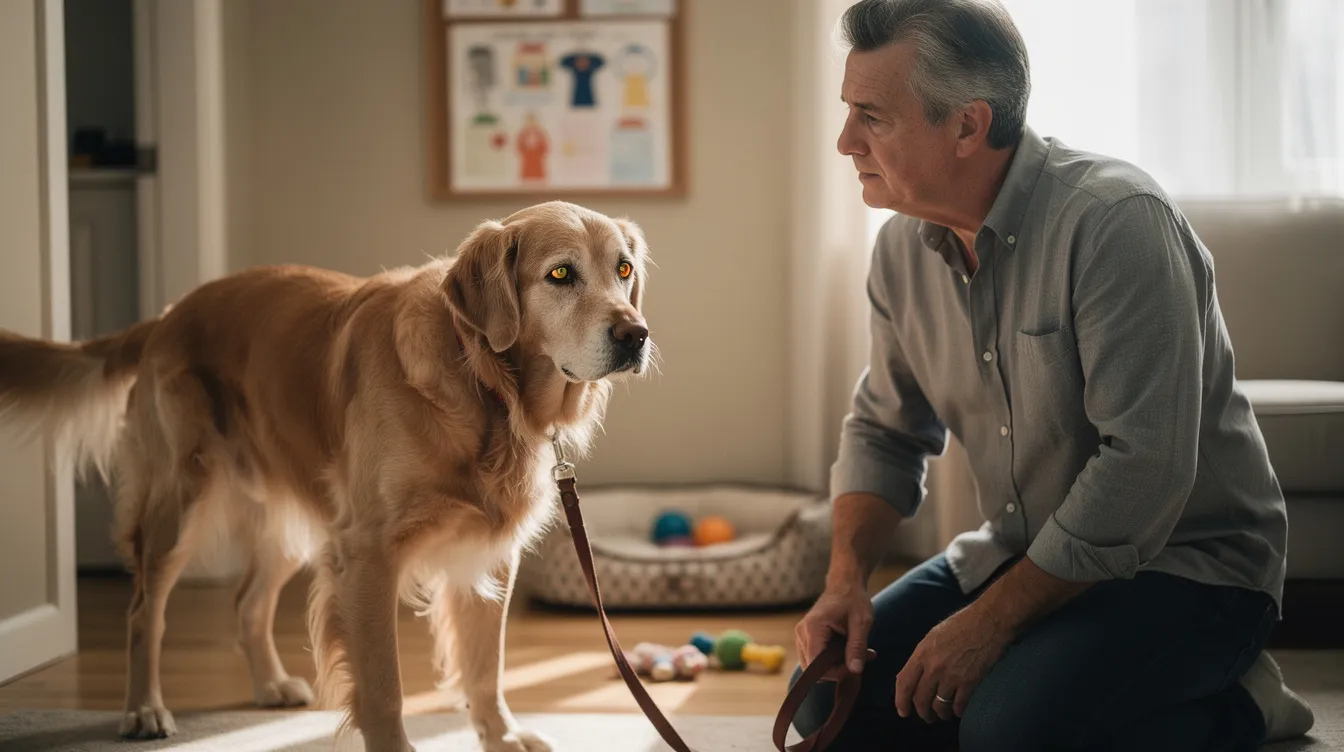
Some senior pets withdraw from family activities; others become clingy. Increased clinginess or separation anxiety is common as dogs age, and it often reflects anxiety rather than affection. A dog that follows its owner from room to room, becoming distressed when left alone, is showing a behavioral shift worth documenting.
Interactions with other pets change too. A senior dog with decreased responsiveness to social cues from other dogs may misinterpret play signals or react defensively. Common signs include growling at housemates, retreating to isolated areas, or increased sensitivity to touch from both people and animals. Environmental changes, such as a new pet joining the household or furniture rearrangement, can increase anxiety in senior dogs who rely on spatial predictability.
Identifying and Managing Specific Behavioral Issues
Moving from identification to action requires systematic observation before jumping to solutions.
Assessment and Documentation Process
A structured behavioral history helps veterinarians distinguish between overlapping causes. Here is a process that produces useful data:
- Keep a daily behavior log for two weeks. Record sleep and wake times, house soiling incidents (time, location, and circumstances), appetite changes, and any episodes of confusion or aggression.
- Note triggers and environmental factors. Loud noises, lighting conditions, time of day, flooring surfaces, and presence of other pets or family members all influence senior dog behavior.
- Document frequency and severity. One nighttime pacing episode per week differs from nightly pacing for three hours. Specific numbers help veterinarians assess disease progression.
- Schedule a veterinary consultation with documentation in hand. Veterinarians recommend bloodwork screening for senior dogs, including thyroid, kidney, and liver panels, along with urinalysis and potentially neurological screening.
Senior dogs should have veterinary check-ups every six months. Regular veterinary checkups are recommended for senior dogs and serve as the baseline for catching underlying medical problems before they compound behavioral disorders.
Symptom Analysis and Underlying Causes
| Behavior | Possible Cause | Training Approach |
|---|---|---|
| House soiling | Cognitive decline, urinary tract infection, kidney disease | Modified bathroom schedule with frequent outdoor breaks after sleep; positive reinforcement for correct elimination |
| Increased aggression | Chronic pain, anxiety, sensory loss | Pain management first; gentle desensitization; professional aggression training |
| Sleep disruption | Cognitive dysfunction, discomfort, circadian rhythm shifts | Quiet, dark sleeping area; consistent bedtime routine; veterinary evaluation for underlying medical conditions |
| Confusion with commands | Hearing loss, memory decline, vision loss | Visual hand signals, simplified commands, consistent daily training schedule |
House soiling can occur due to cognitive dysfunction or mobility issues; the training approach changes depending on the root cause. A dog with a urinary tract infection needs antibiotics, not a revised bathroom schedule. A dog with canine cognitive dysfunction syndrome needs both environmental management and, often, pharmaceutical support.
Increased anxiety can lead to aggression in senior dogs. When aggression appears alongside other cognitive or sensory changes, the behavior problem is a symptom, not the primary issue. Treatment for senior dogs should focus on comfort and relief from pain or discomfort before layering on behavioral protocols.
Common Training Challenges and Solutions
Memory and Learning Difficulties
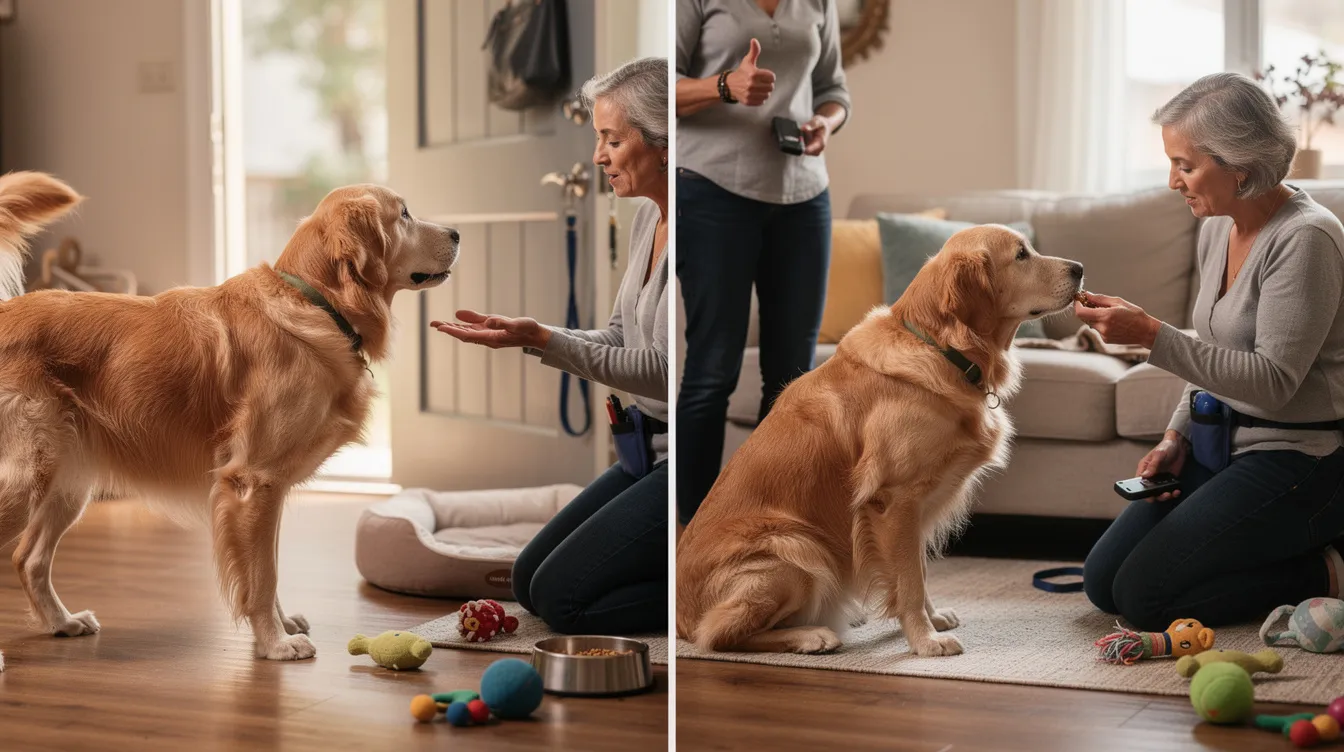
Older dogs acquire new behaviors more slowly than a younger dog working on the same skill. Where a two-year-old dog might learn a new cue in 10–15 repetitions, a senior dog with cognitive decline may need 40 or more. Effective adjustments: use shorter training sessions of 5–10 minutes, run them two to three times per day instead of one long session, and rely on high-value rewards (soft, aromatic treats that do not require hard chewing, accounting for dental disease).
Mental stimulation is important for maintaining engagement in senior dogs. Interactive food puzzles and scent work provide cognitive exercise without physical strain. Research published in Frontiers in Neuroscience found that combinations of dietary intervention and environmental enrichment outperform single interventions in preserving cognitive function. Selegiline, a drug therapy approved for canine cognitive dysfunction, can improve cognitive function in senior dogs when combined with enrichment protocols.
Anxiety and Stress Management
A consistent routine can help reduce anxiety in senior dogs. Feeding, walking, and bathroom breaks at the same times each day create predictability that reduces compulsive disorders and repetitive behaviors. For dogs with separation anxiety, a gradual desensitization protocol works better than flooding; start with short absences and build duration over weeks.
Create a safe space where your furry friend can retreat: a quiet room with a padded bed, low lighting, and non-slip flooring. Night lights help dogs with vision loss navigate without panic. Avoid rearranging furniture in rooms your dog uses frequently; spatial consistency matters when a dog’s cognitive map is degrading.
Physical Limitations Affecting Training
Joint pain and loss of muscle mass mean that exercises requiring jumping, twisting, or sustained standing positions are inappropriate for most elderly dogs. Use stationary cues, nose targeting, and platform work that keeps the dog comfortable. Elevated food and water bowls reduce neck strain. Ramps replace stairs for bed or car access.
The American Animal Hospital Association’s 2023 Senior Care Guidelines recommend an integrated approach to pain management: pharmaceuticals, nutraceuticals (fish oil, medium-chain triglycerides), physical rehabilitation, and hydrotherapy. A dog walker working with a senior dog should adapt routes to flatter terrain and shorter distances, adjusting to the dog’s mobility issues rather than pushing past them.
Regular veterinary care can help manage senior dogs’ health issues and inform training decisions. A trainer working with a senior dog in a board and train program needs updated veterinary clearance to set appropriate physical boundaries.
Conclusion and Next Steps
Senior dog behavior changes span a wide range, from the expected slowdowns of the aging process to the disorientation and house soiling of canine cognitive dysfunction syndrome. The difference between manageable and dangerous lies in documentation, veterinary partnership, and training that respects the dog’s physical and cognitive limits. Behavioral changes in senior dogs are not simply “getting old”; each change carries information about what is happening in the dog’s body and brain.
Immediate steps to take:
- Start a two-week behavior log documenting your dog’s sleep patterns, bathroom habits, social interactions, and responses to cues
- Schedule a veterinary visit with bloodwork screening if your dog has not been examined in the past six months
- Implement one environmental modification this week (non-slip mats, elevated bowls, or a designated safe space)
- Adjust training sessions to 5–10 minutes with high-value, soft rewards
- Contact a professional trainer experienced with senior pets if behavior problems persist after veterinary clearance
For related topics, explore senior dog nutrition and how dietary changes (antioxidant-enriched diets, medium-chain triglycerides) support cognitive function, exercise modification protocols for dogs with arthritis, and quality of life assessment tools for the early stages and later progression of cognitive dysfunction.
Additional Resources
- DISHAA Checklist: Disorientation, Interaction changes, Sleep-wake cycle changes, House soiling, Activity level, Anxiety. Use this framework from the AKC’s cognitive dysfunction guide to track symptom categories and severity over time.
- CAnine DEmentia Scale (CADES): A structured owner questionnaire for assessing severity of cognitive decline. Ask your veterinarian for a copy or access through PetMD’s CDS resource page.
- AAHA Senior Care Guidelines (2023): Standards for pain management, mobility support, and integrated therapies for older pets. Available at aaha.org.
- Veterinary behavioral referrals in the Pittsburgh area: Ask your primary veterinarian for board-certified veterinary behaviorist referrals if your dog shows aggression, severe anxiety, or progressive cognitive dysfunction that does not respond to initial interventions.