
Introduction
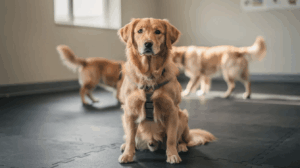
Rescue dog behavior is shaped by many factors, including genetics, early socialization, health, previous learning, shelter or foster experiences, and the stress of entering a new home. Some adopted dogs have documented histories of neglect or trauma, while others do not. Many adjustment-related behaviors can improve with appropriate management, training, veterinary care, and patience, although the timeline and outcome vary from dog to dog.
The scope here focuses on common adjustment challenges, fear-based responses, and structured training methods that can help adopted dogs. Severe aggression involving a risk of injury falls outside this guide’s primary scope and requires professional assessment, careful safety management, and potentially veterinary involvement.
This content is written for rescue dog adopters navigating their first weeks and months, current dog owners struggling with persistent behavioral issues, and anyone considering adoption who wants to understand what to expect. Whether your dog came from an open-admission shelter, a foster network, or a breed-specific rescue, the principles outlined here can help you evaluate the individual dog in front of you.
The direct answer: Some rescue dogs show fear, anxiety, house-training changes, reactivity, or other adjustment-related behaviors, while others settle with few noticeable difficulties. Predictable routines, thoughtful environmental management, reward-based training, veterinary care when needed, and patience can support improvement. Some dogs make substantial progress within the first several months, while others require more time or specialized assistance.
By the end of this guide, you will:
- Understand the 3-3-3 adjustment guideline and its limitations
- Identify common behavioral patterns and their possible contributing factors
- Implement reward-based training strategies suited to an adjusting dog
- Recognize the red flags that signal when professional help is needed
- Create an environment that helps your dog feel safe and supports adjustment
Understanding Rescue Dog Psychology
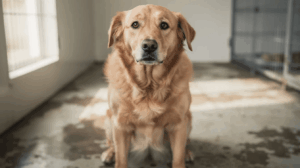
Rescue dog behavior reflects a combination of temperament, genetics, health, early development, previous learning, shelter conditions, and current circumstances. Shelter stays and relocation can be stressful, but fearfulness or timidity does not prove that a dog was abused. Owners should evaluate the behavior they can observe rather than assuming a specific history, especially because pain, limited socialization, unfamiliar surroundings, and learned responses can produce similar signs.
For adopters, this understanding is practical, not academic. It affects how you respond during the early weeks, which training methods you choose, and when you seek veterinary or behavioral assistance. A newly adopted dog should not be expected to behave immediately like a settled family pet, but neither should every behavior be attributed to past trauma.
The 3-3-3 Adjustment Guideline
The 3-3-3 guideline offers a simple framework for thinking about a rescue dog’s adjustment. However, the numbers are not deadlines or guarantees:
- First 3 days: A newly adopted dog may appear overwhelmed, quiet, restless, withdrawn, or reluctant to eat. Keep the environment calm, limit unnecessary stimulation, and allow the dog to approach at their own pace.
- First 3 weeks: The dog may begin learning household routines and showing a wider range of behavior. Some challenges may become more visible as the dog grows comfortable enough to explore and communicate preferences.
- First 3 months: Trust, familiarity, and attachment may continue to deepen. Some dogs settle sooner, while others require considerably longer.
The guideline is best used to encourage patience, not to predict exactly when a dog will behave a certain way. A 2026 study of 158 imported rescue dogs placed in Germany found that behavior changed nonlinearly across six months, with the largest overall improvement occurring during the first six weeks. The study did not validate the 3-3-3 guideline or establish a universal timeline for all rescue dogs.
Trauma and Previous Experiences
Previous experiences can influence behavior, but it is rarely possible to identify a dog’s history from behavior alone. Resource guarding may involve genetics, early experience, learning, the value of the resource, and the dog’s perception that it may be taken away. Separation-related behavior can involve anxiety, confinement distress, incomplete training, environmental triggers, or other causes. Handling sensitivity may also reflect fear, limited experience, pain, or an underlying medical condition.
These behaviors are not moral or personality flaws, but they still require careful assessment. A 2026 case report involving a dog rescued from a hoarding situation documented improvement with veterinary medication and structured behavior modification, but one case cannot predict outcomes for every rescue dog. Freezing, retreating, growling, or snapping when approached may indicate fear or conflict, but any behavior capable of causing injury should be treated as a safety concern.
Environmental Stress Factors
A new environment contains unfamiliar sounds, smells, people, animals, surfaces, and routines. Some dogs explore these changes comfortably, while others become cautious, restless, or easily startled. Shelter conditions and relocation may contribute to stress, but the intensity and duration of the response vary considerably.
Watch how your dog responds to specific rooms, visitors, household sounds, walking routes, and handling. Identifying patterns early can help you reduce unnecessary exposure, prevent escalation, and introduce new experiences at a manageable pace.
Common Rescue Dog Behavioral Issues
Not all rescue dogs display the same behaviors. Temperament, age, genetics, health, early development, previous learning, shelter conditions, and the current home environment can all influence how a dog responds after adoption. The following challenges can occur, but none should be considered inevitable.
Separation Anxiety and Distress
Separation-related distress may involve chewing, scratching doors, eliminating indoors, pacing, excessive vocalization, or escape attempts when the dog is alone. Severe attempts to break through crates, doors, or windows require immediate safety precautions.
In one study of imported rescue dogs placed in Germany, 44.9% of 118 dogs displayed what researchers classified as separation problems during the first week. The definition included vocalizing for more than three minutes or destroying objects while alone. At six months, the figure was 23.9% of 146 dogs. These observations do not confirm clinical separation anxiety, and the percentages should not be generalized to every rescue population.
Separation-related behavior can have several causes, including anxiety, confinement distress, unfamiliar routines, environmental triggers, incomplete house training, and learned behavior. A veterinarian or qualified behavior professional may need to rule out these alternatives before the problem is labeled separation anxiety. The Merck Veterinary Manual notes that diagnosing separation distress requires excluding other potential causes of the behavior.
Leash Reactivity and Aggressive Behavior
Leash reactivity can include barking, lunging, pulling, freezing, stiffening, or becoming intensely focused on another dog, person, animal, or object. Possible motivations include fear, frustration, excitement, overarousal, territorial behavior, prior learning, or a combination of factors.
Leash reactivity is not a diagnosis, and not every reacting dog is experiencing panic. Lip licking, a tucked tail, avoidance, trembling, or attempts to increase distance may support a fear-based interpretation. Other dogs react from frustration or intense excitement. Predatory behavior is different again and may involve quiet fixation, stalking, chasing, and little warning.
Recognizing body language cues can help owners respond before the behavior escalates. Marker words may also help redirect attention, but they should be introduced in a low-distraction setting before being used around major triggers.
Resource Guarding Behaviors
Resource guarding may be influenced by genetics, early experience, context, learning, the value of the item, and the dog’s expectation that the resource will be taken away. A history of scarcity is possible, but guarding behavior alone cannot confirm that history.
Warning signs include freezing, stiffening, hovering over an item, eating faster when approached, growling, snapping, or attempting to move the resource away. Management may include feeding dogs separately, avoiding forced removal of valued items, preventing access to objects likely to trigger conflict, and using carefully planned reward-based behavior modification.
Confrontation and punishment can increase fear, anxiety, and aggression. Moderate or severe cases should be addressed with professional guidance rather than testing how much handling the dog will tolerate.
House-Training Changes
House-training changes can occur in unfamiliar environments. A dog who was reliably house-trained in a previous home may have accidents because of stress, a changed schedule, unfamiliar surfaces, incomplete training, marking, or a medical problem.
Return to a predictable routine with regular outdoor opportunities, close supervision, and rewards for eliminating in the appropriate location. Do not punish accidents. If house soiling begins suddenly, continues despite a consistent routine, or occurs alongside increased thirst, straining, diarrhea, or other symptoms, schedule a veterinary examination.
Hypervigilance and Anxiety Responses
Some rescue dogs arrive home extremely alert and unable to settle. Pacing, panting, scanning windows, reacting to passing sounds, startling easily, and sleeping lightly may indicate stress or hypervigilance.
These signs can be influenced by fear, unfamiliar surroundings, pain, previous learning, insufficient rest, or other behavioral and medical factors. They should not automatically be attributed to neglect or abuse. A quiet resting area, predictable routines, reduced exposure to overwhelming triggers, and veterinary assessment when symptoms persist can help identify the appropriate response.
Key takeaway: Many behavioral challenges can reflect fear, stress, frustration, uncertainty, learning history, or unmet physical and behavioral needs. Identifying the likely cause is more effective than assuming the dog is defiant or attempting to behave badly.
Effective Training Approaches for Rescue Dogs
Understanding the factors influencing your rescue dog’s behavior is the foundation. Structured training and environmental management can then help you build safer, more useful responses. For dogs that are ready to participate, structured dog obedience training can help develop communication, household manners, leash skills, and responses to everyday cues.
Positive Reinforcement Training Protocol
Positive reinforcement encourages desired behaviors and can be especially helpful for dogs who are fearful, uncertain, or still learning to trust their new environment.
- Establish trust through consistency. Use predictable feeding, walking, rest, and training routines. A daily training schedule can make the dog’s environment easier to understand.
- Identify suitable motivators. Many dogs respond well to food, but toys, sniffing opportunities, play, movement, access to preferred spaces, or calm verbal praise may also be rewarding. Avoid withholding regular meals to make a stressed dog work for food.
- Mark desired behaviors promptly. Use a clicker or marker word such as “yes” to identify the behavior being rewarded. Practice the marker-reward connection in a quiet area before expecting it to work around distractions.
- Build skills through achievable goals. Begin in a low-distraction environment and gradually increase difficulty. If the dog stops taking rewards, attempts to escape, freezes, or becomes highly reactive, reduce the intensity or create more distance.
Current veterinary-behavior guidance from AVSAB recommends reward-based methods for teaching skills and addressing behavior problems. These approaches present fewer welfare risks, while aversive methods can increase fear, anxiety, stress, and conflict in some dogs. Before selecting any trainer or program, ask which tools and procedures will be used, how discomfort and fear will be monitored, and how the plan will be adjusted if the dog shows distress.
Environmental Management vs. Direct Training
| Approach | Best for | Timeline | Examples |
| Environmental Management | Preventing rehearsal of unwanted behavior and reducing immediate risk | Immediate and ongoing as needed | Baby gates, separate feeding areas, quiet resting spaces, trigger avoidance, dog-proofed rooms, and crates only when the dog is comfortable with confinement |
| Active Training | Building new responses, communication, and practical skills | Weeks to months or longer | Recall practice, leave-it exercises, counterconditioning, leash manners, cooperative care, and desensitization |
These approaches complement each other. Prepare the environment to prevent unsafe or unwanted behavior while training alternative responses.
A crate may become a comfortable resting area for a dog who has been introduced to it gradually and chooses to relax there. However, not every rescue dog finds confinement calming. If the dog pants heavily, drools, vocalizes persistently, refuses food, or attempts to escape, stop using the crate for unsupervised confinement and consider a dog-proofed room or gated area.
For example, you might gate off certain rooms to prevent destructive behavior while training a settle cue and providing appropriate chew items. Management can be adjusted as the dog develops safer and more reliable behavior.
Professional Training Programs
Professional help becomes especially important when behavior includes aggression, repeated escape attempts, severe distress, handling sensitivity, or persistent reactivity that does not improve with careful home management. Sudden behavior changes should also receive veterinary attention because pain and medical conditions can affect behavior.
Behavior modification programs may address cases requiring controlled exposure, management, owner coaching, and systematic behavior work. Medication may also be appropriate for some diagnosed anxiety or aggression-related conditions, but it must be prescribed and monitored by a veterinarian.
The appropriate training format depends on the dog’s behavior, health, triggers, and safety risk. Private coaching can help owners develop management and training skills in the environment where problems occur. The linked Pittsburgh aggression and reactivity program is structured around private lessons, while the general board-and-train programs focus primarily on obedience, manners, recall, and distraction work. Serious aggression, separation anxiety, and complex fear should be evaluated before any residential program is selected.
The 2026 case report involving a roughly two-year-old dog rescued from a hoarding environment documented improvement with veterinary medication and structured behavior modification. The case illustrates how coordinated veterinary and behavioral care may help an individual dog, but it does not establish a standard treatment plan or predictable recovery timeline for other dogs.

Common Challenges and Solutions
Certain behavioral patterns require more specific strategies. When handled incorrectly, these challenges can increase fear, create safety risks, and damage the developing relationship.
Dog Won’t Eat or Engage
Some newly adopted dogs eat less during the first day as they adjust, but food refusal should still be taken seriously. Offer the dog’s regular food in a quiet area, provide fresh water, and avoid repeatedly changing foods without veterinary guidance. Hand-feeding may help some dogs, but it should not be forced if the dog appears uncomfortable with close interaction.
Contact your veterinarian if your dog stops eating or shows a sudden appetite change. Seek prompt care sooner for puppies, senior dogs, dogs with health conditions, or any dog showing vomiting, diarrhea, weakness, abdominal discomfort, difficulty breathing, dehydration, or possible toxin exposure. The American Animal Hospital Association recommends contacting a veterinarian when a pet stops eating or develops a significant appetite change.
Extreme Fearfulness Toward People
Fearful behavior may improve as a dog develops security and trust, but progress should happen at the dog’s pace. Begin with enough distance that the dog can remain calm, observe the person, and accept rewards. Allow the dog to initiate contact rather than asking visitors to reach toward, corner, or pet the dog.
Do not use forced greetings as socialization. Manage exposure during the adjustment period and teach visitors to ignore the dog until the dog shows clear interest in approaching. If the dog growls, snaps, attempts to bite, or cannot function around people, seek professional assistance.
Interactions with other dogs should also be selected carefully. Controlled introductions to calm, socially appropriate dogs may help some individuals, but playdates are not necessary or suitable for every rescue dog.
Destructive Behavior When Left Alone
Destructive behavior while alone can occur with separation anxiety, but it may also reflect confinement distress, environmental triggers, exploratory chewing, insufficient enrichment, or another behavioral or medical problem. Video recordings can help determine what happens before and during the behavior.
If gradual-absence training is used, each absence should remain short enough that the dog stays calm rather than following a fixed schedule. Use a crate only if the dog is comfortable there. Provide interactive toys and puzzle feeders when they are safe for unsupervised use, but recognize that a severely distressed dog may be unable to engage with them.
Severe or escalating distress warrants veterinary assessment. Medication may help certain dogs, but it should be prescribed by a veterinarian and combined with an individualized management and behavior-modification plan.
Aggressive Responses During Handling
Aggression during grooming, veterinary exams, nail trimming, or ear cleaning requires immediate attention to safety and a veterinary evaluation for pain or illness.
A properly fitted basket muzzle can add protection, but the dog should be conditioned to wear it gradually with positive associations whenever circumstances allow. Do not force care procedures or continue when the dog is escalating. Cooperative-care exercises and professional guidance can help build comfort with handling at a safer pace.
Seek professional aggression training or veterinary behavior assistance if the dog has attempted to bite, caused an injury, or cannot be safely handled.
Many rescue dogs make meaningful behavioral progress with appropriate support. However, improvement is individual, and some dogs require long-term management, professional training, veterinary treatment, or a combination of these resources.
Conclusion and Next Steps
Rescue dog behavior should be evaluated without assuming that every concern comes from abuse, trauma, or a fixed personality trait. Fearfulness, reactivity, guarding, anxiety, and house-training changes may be influenced by multiple behavioral, environmental, developmental, and medical factors.
Safety, consistency, patience, appropriate management, and reward-based teaching can support adjustment. Progress may be rapid for some dogs and gradual for others, and seeking professional help is a responsible step when behavior creates distress or safety concerns.
Your immediate next steps:
- Establish consistent daily routines for feeding, walks, appropriate exercise, and rest.
- Create a quiet resting space where your dog can retreat without interruption. Use a crate only if the dog is comfortable there.
- Begin trust-building through predictable care, low-pressure interaction, and rewards the dog willingly accepts.
- Document progress and challenges to identify triggers, patterns, and changes in intensity.
- Begin short, low-pressure training sessions when your dog is willing to engage. Focus first on name recognition, voluntary check-ins, simple household routines, and behaviors that support safety.
For dogs with intense predatory behavior, specialized approaches may include management, controlled exposure, focus exercises, alternative outlets, and recall training. A 2026 case study involving a rescue dog named Lumi reported meaningful improvement after four professional sessions plus continued home practice, but one case cannot establish predictable results for other dogs.
Adult dogs can still learn to feel safer around new people, animals, and environments through gradual, positive exposure. However, this process is not identical to the early puppy socialization period. The goal is not to force interaction but to help the dog remain comfortable and responsive at a manageable level of exposure.
Frequently Asked Questions
How long does it take for rescue dog behavior to improve?
The 3-3-3 guideline can help owners remember that adjustment takes time, but it does not predict exactly when a dog will feel settled. Some dogs adapt within days or weeks, while others need months or longer.
A study of imported rescue dogs placed in Germany found significant overall behavioral improvement across six months, with the largest change occurring during the first six weeks. However, that population and study design do not represent every adopted dog. Health, temperament, early development, previous learning, household conditions, and the behavior involved can all affect the timeline.
Should I use a professional trainer for my rescue dog?
Professional help is beneficial when behavior creates a safety risk, does not improve with careful home training, or interferes with eating, sleeping, walking, handling, or normal household life. Aggression, severe fear, repeated escape attempts, and intense separation-related distress deserve prompt attention.
Ask prospective trainers about their education, experience with the specific behavior, training tools, safety procedures, and willingness to coordinate with a veterinarian. A board-and-train program may help with appropriate obedience and manners goals, but it is not automatically the right format for severe anxiety, resource guarding, or aggression.
Is aggressive behavior in rescue dogs normal?
Fear-related barking, lunging, growling, or snapping can occur in rescue dogs, but aggression should not be dismissed as normal or harmless. Fear is one possible motivation, while frustration, resource guarding, territorial behavior, pain, learning history, and other factors may also contribute.
In the German study, owner-reported offensive aggression toward visitors increased from 4.7% of 126 dogs during the first week to 15.3% of 144 dogs at six months, even as several fear-related measures improved. The researchers did not establish why this increase occurred. Any growling, snapping, biting, or escalating behavior toward visitors should be taken seriously and assessed rather than interpreted as a normal sign of confidence.
Why is my rescue dog not bonding with me?
Trust and attachment develop at different rates. A newly adopted dog may avoid interaction, sleep frequently, remain watchful, or show little interest in affection. These behaviors may reflect stress, uncertainty, fatigue, temperament, or unfamiliarity rather than rejection.
Avoid forcing physical contact. Provide predictable care, spend quiet time nearby, and let the dog choose whether to approach. Gradual signs of comfort may include relaxed body language, resting in the same room, voluntarily approaching, responding to your voice, or seeking proximity. There is no required three-week or three-month deadline for bonding.
Can rescue dogs with behavioral issues become well-trained pets?
Yes, many rescue dogs with behavioral challenges can learn useful skills and become comfortable family companions. Progress depends on the individual dog, the behavior involved, physical health, early development, previous learning, safety management, and the support available.
Some dogs improve quickly, while others need long-term management or veterinary behavior treatment. Medication may be helpful for certain diagnosed conditions, but it must be prescribed by a veterinarian and used as part of an individualized plan.
What should I do if my rescue dog’s behavior gets worse?
Do not wait for the three-month mark if behavior creates a safety risk, prevents normal eating or sleeping, causes injury, or is rapidly worsening. Seek prompt professional help if aggression escalates, the dog attempts to bite, severe panic or escape behavior occurs, or family members and other animals cannot be kept safe.
Sudden behavior changes, handling sensitivity, house-soiling changes, appetite loss, or unusual repetitive behavior also warrant a veterinary examination because pain and medical conditions can affect behavior. Document what happened before, during, and after each incident so the veterinarian or behavior professional has useful information for the assessment.
If your rescue dog is struggling with obedience, reactivity, handling, or everyday routines, request a free consultation to discuss the behavior and determine which training format may be appropriate.